An article by
The first hurdle has been cleared. Republicans in the U.S. House of Representatives have passed a bill that, at first glance, sounds harmless: the “SAVE America Act” is presented as a measure to prevent voter fraud by tightening proof-of-citizenship requirements. But behind the façade, voting rights groups warn of a significant restriction of access to the ballot — with potentially far-reaching consequences for millions of citizens.
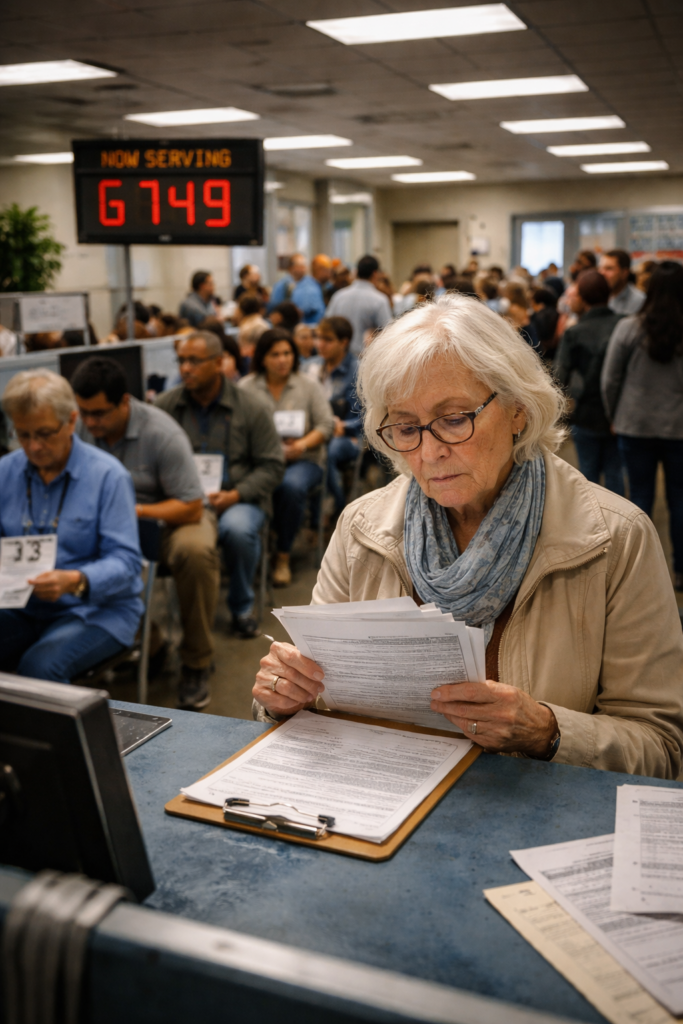
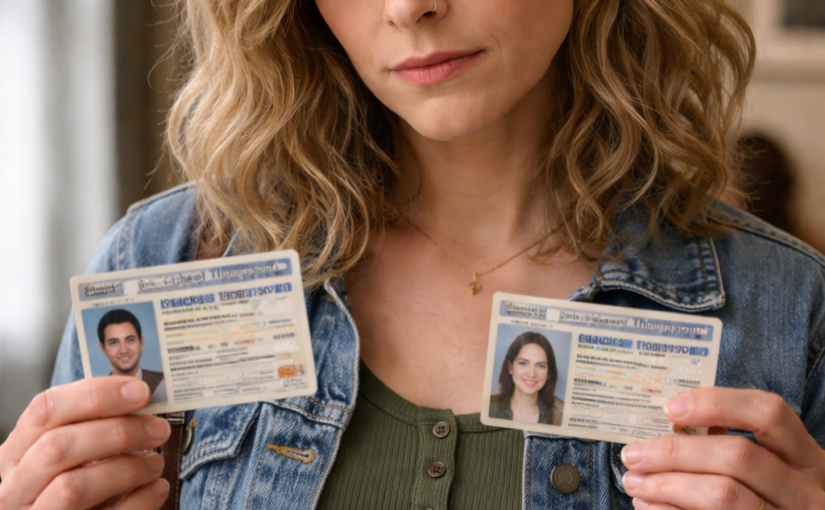
At the core of the legislation is a stricter identity requirement. Anyone who wants to register to vote would have to present a passport, birth certificate, or another official document in person — and that document must match their current legal name exactly.
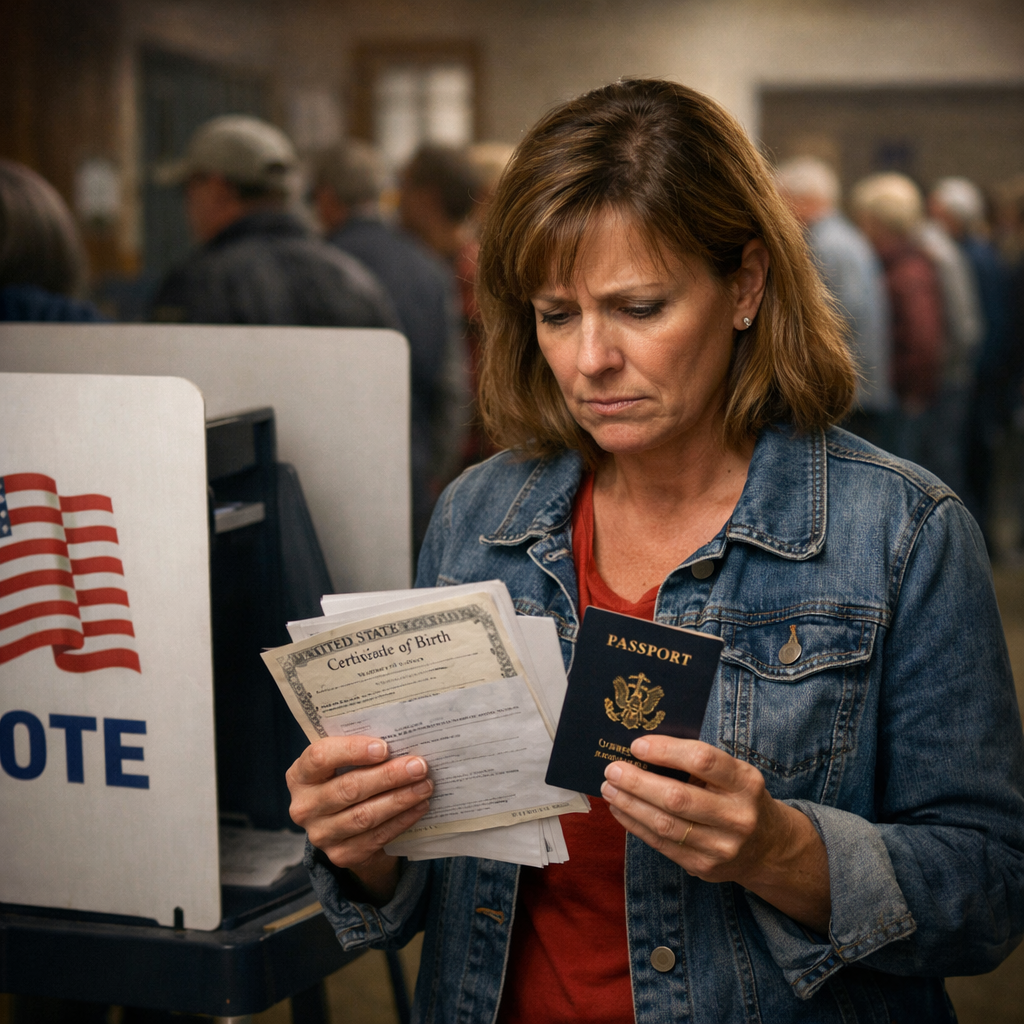
What sounds administrative on paper could have serious social implications:
- Approximately 69 million married women in the United States have changed their last name after marriage. Many do not have updated documents that perfectly match voter registration records,
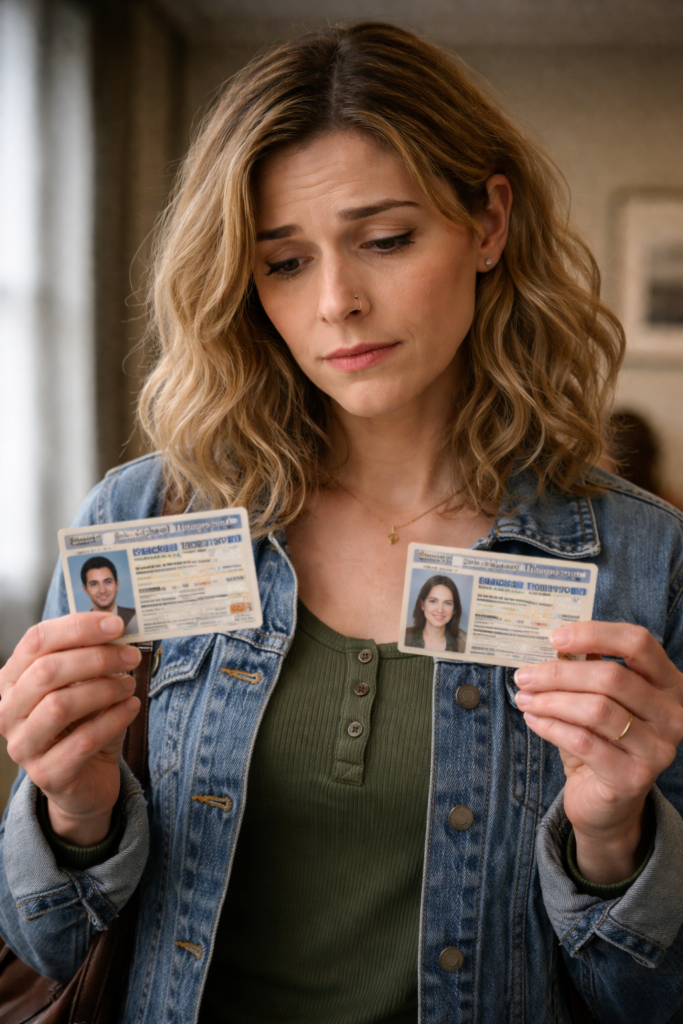
- Transgender individuals who have legally changed their names to reflect their gender identity could face documentation mismatches,
- 52 percent of eligible voters do not possess a passport. Obtaining one costs $165, can take up to six weeks, and requires an in-person application,
- Low-income citizens may struggle to afford the required documents and associated fees,
- People with disabilities or those living in rural areas who rely on mail voting could be disproportionately affected by mandatory in-person procedures,
- Citizens with immigrant backgrounds are statistically more likely to lack the specific documents required under the proposal.
The bill does not provide for online registration. Instead, voters would have to appear in person to complete the process. Election experts warn that there is currently no nationwide infrastructure capable of handling such a logistical burden. In Kansas, a similar law led to approximately 31,000 eligible voters being unable to register.
Critics argue that this is not accidental but part of a broader strategy to reduce voter turnout among groups that traditionally lean Democratic — including women, low-income communities, minorities, and people with disabilities.
Supporters of the legislation claim it is necessary to prevent non-citizens from voting. However, voting as a non-citizen is already illegal and statistically extremely rare. The practical effect of the bill, critics contend, may therefore be less about fraud prevention and more about limiting ballot access.
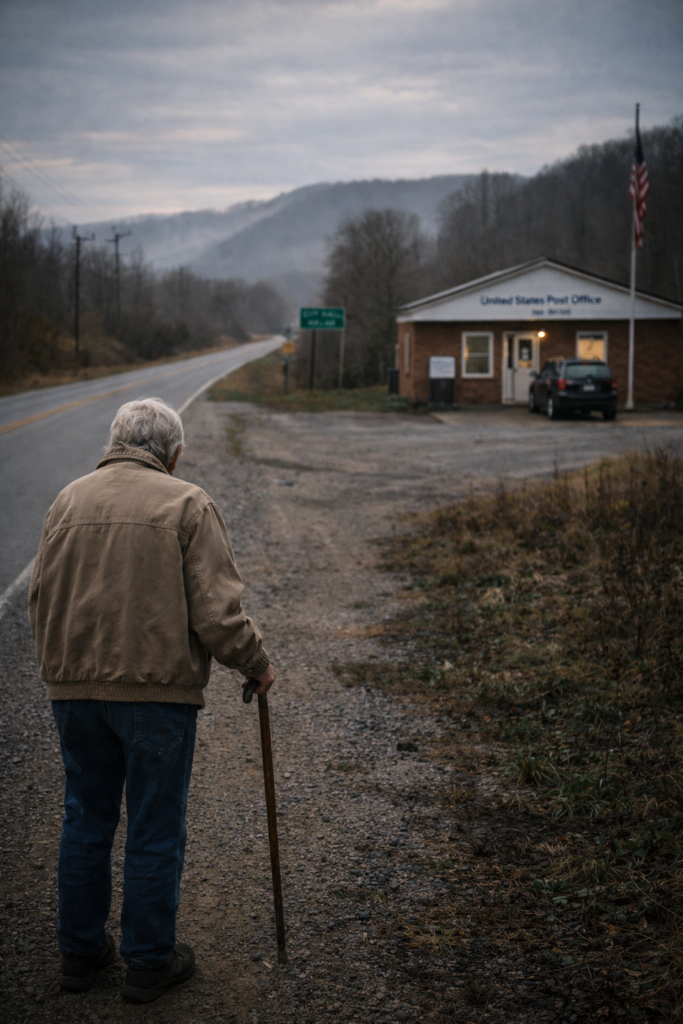
While the United States often presents itself as a model democracy on the global stage, this debate raises fundamental questions about how accessible the democratic process truly is at home.
Commentary by Werner Hoffmann
I perceive this as a real case of election manipulation announced in advance. When lawmakers are fully aware that specific groups — women who changed their names, transgender citizens, low-income individuals, or people with immigrant backgrounds — will be disproportionately affected, and still move forward with such barriers, it is no longer a neutral administrative reform. It becomes a political instrument.
Democracy depends on broad participation. Any policy that systematically raises obstacles to voting weakens not only certain voter groups but trust in the democratic system itself.
#VotingRights #Democracy #USA #ElectionIntegrity #SAVEAmericaAct